Steel parts made to stay put, from our shop in Colorado
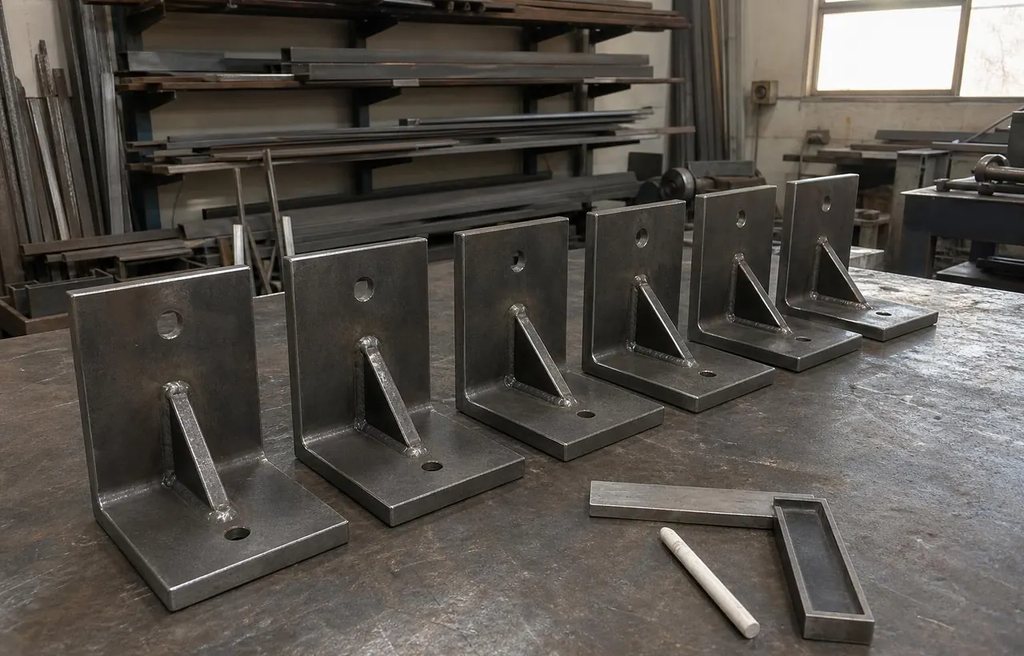
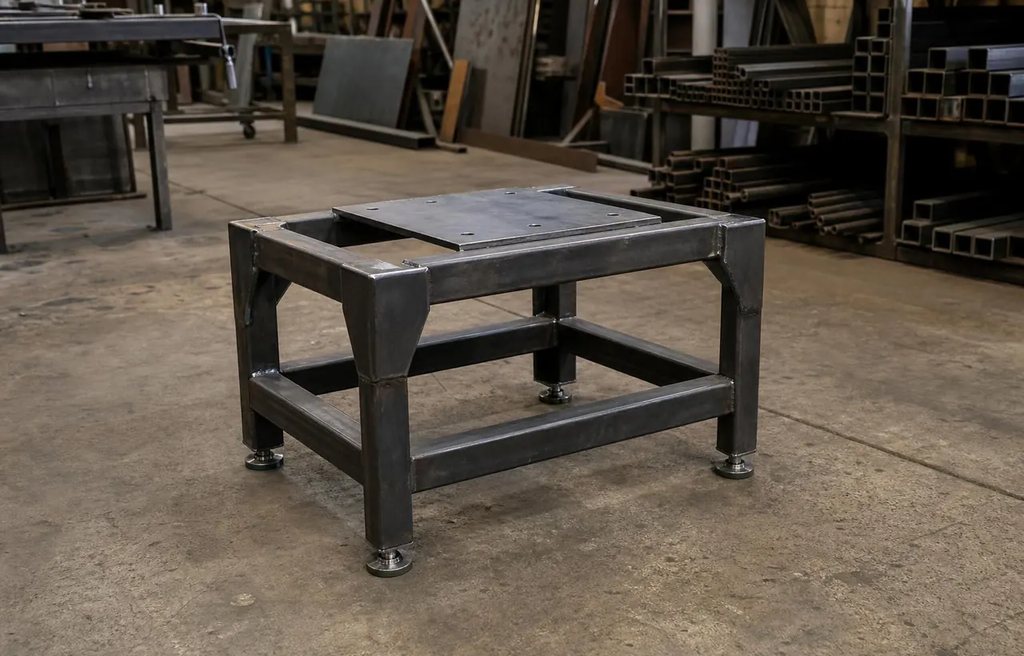
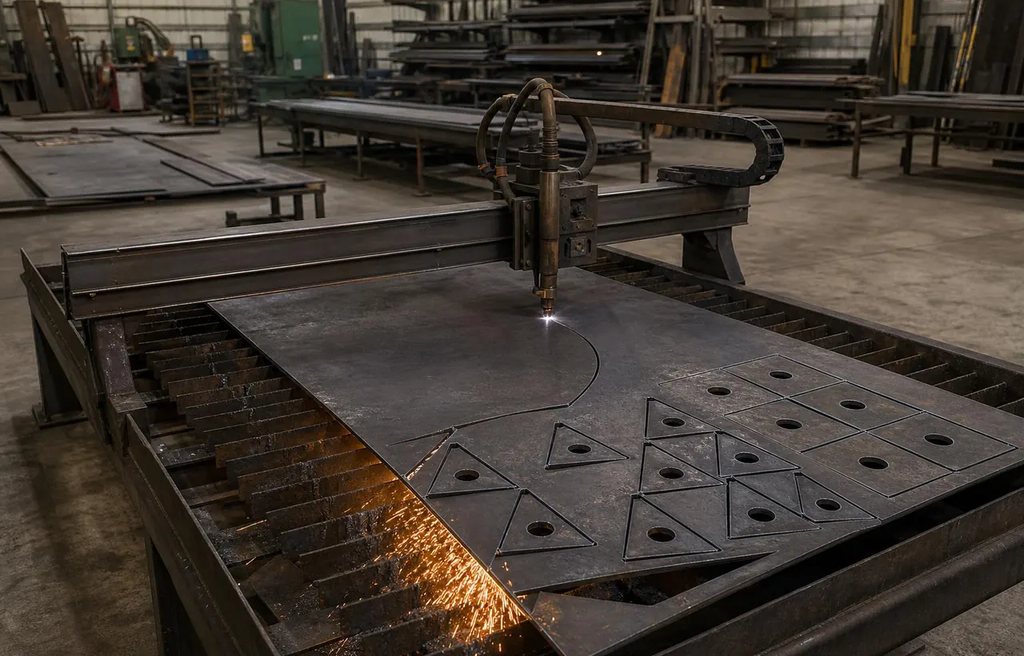
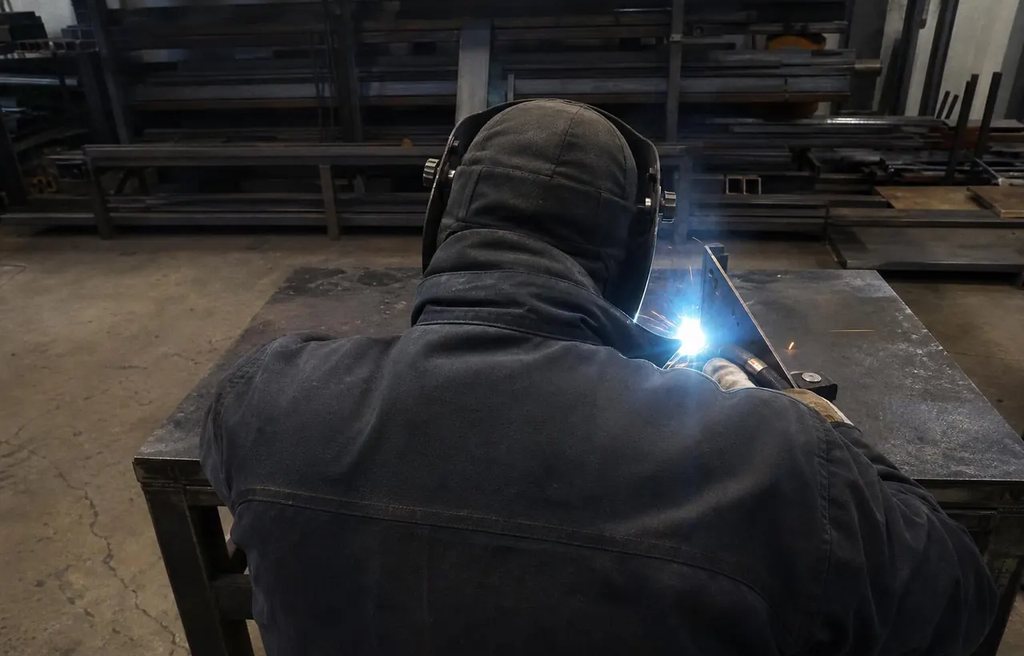
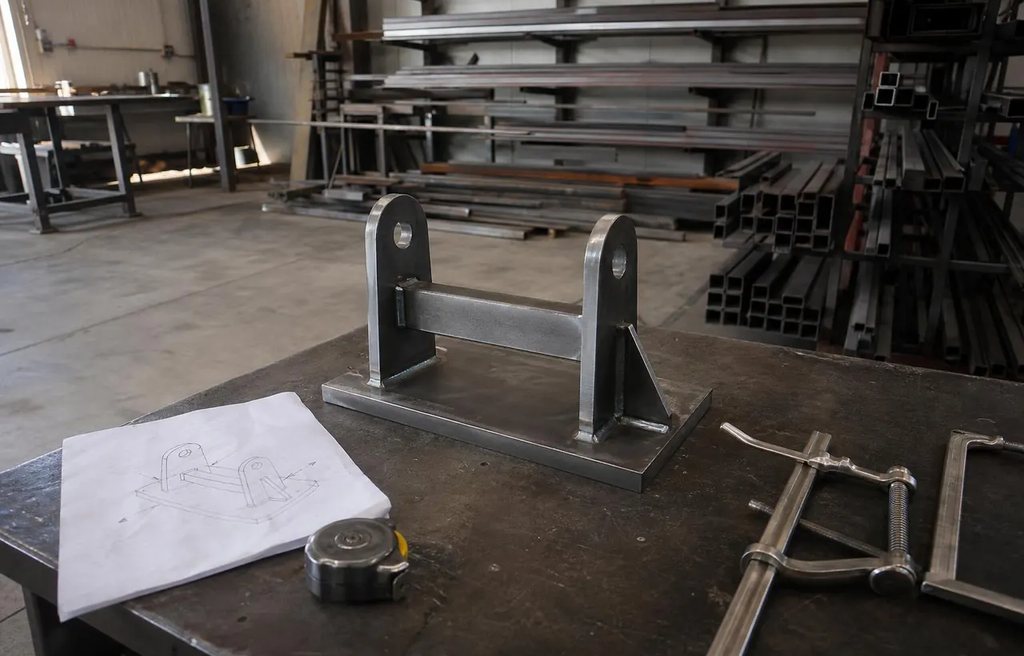
We cut, bend and weld brackets, equipment frames and plate parts for businesses across Adams County and nearby Weld and Broomfield counties, adding a gusset or rib where a part needs one.
Reinforced Steel LLC is a steel fabrication shop for businesses in Adams County and the communities around it. We cut, bend and weld steel brackets, equipment frames and plate parts, and we pay particular attention to the spots where a part is likely to flex, twist or crack.
Most parts we make are simple. The ones that are not usually fail at a single corner or along one long leg, and a well placed piece of steel fixes that for good. Here is how we think about it.
Find the weak spot first
Before we quote, we ask what the part holds and what moves near it. That tells us where it is likely to flex or crack, and whether it needs anything added.
Add steel only where it works
A gusset in the right corner does more than a thicker plate everywhere. We reinforce the spot that needs it and keep the rest of the part light and simple.
Make the second one like the first
Notes, fixtures and measurements are kept for every part we make, so a reorder next year matches the parts you already have on your machines.
Build up a bracket
Start with a plain steel bracket and add what it needs. The drawing shows where each piece goes and the dashed line shows how much the arm still gives under use.
Flex under useNoticeable
Add to the bracket
Plain bracket
A plain bracket is two legs and one bend. For light covers, small sensors and parts that see little force, plain is often enough, and it is the simplest part to make and repeat.
A rib keeps a long, thin leg from flexing and humming when a machine runs. It adds very little weight, so it suits sensor arms, long shelf brackets and cover mounts that only need to stay still.
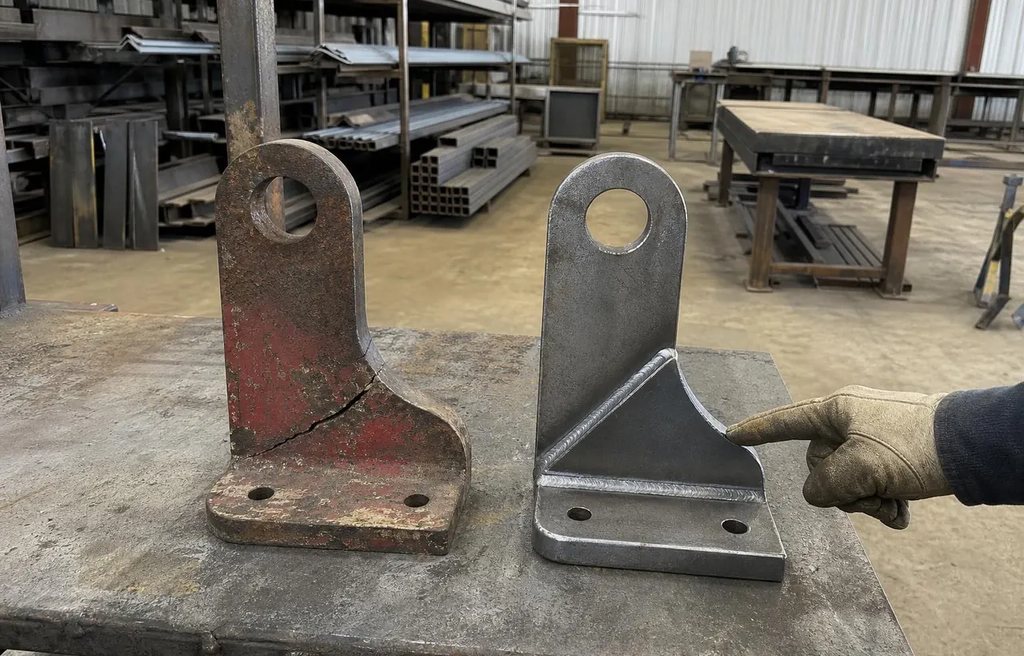
Corner gusset
A gusset ties the two legs together so the bend cannot open or close in use. It is the usual answer for motor mounts, arms that carry a hanging part, and any bracket that gets bumped by carts or tools.
Double wall
A second wall makes the bracket resist twisting as well as bending. It belongs on mounts that carry weight off to one side, on parts near vibrating equipment, and on brackets that hold something tall.
Six kinds of steel work
Brackets, frames and plate parts are what we make most. Welding and repair happen at the same benches, and custom work covers whatever does not fit a heading.
We work with businesses, from a two-person product company to a plant running several shifts. What they have in common is a steel part that has to do its job without fuss.
Machine and equipment builders
Mounts, bases, guards and brackets for machines that leave your shop.
Plants and production lines
Replacement brackets, stands and repaired parts for equipment you run every day.
Maintenance teams
Parts that broke and need to come back stronger, and parts that nobody sells anymore.
Product and engineering teams
First pieces and small batches of steel parts while a design settles.
Questions before a first order
What kinds of businesses do you work with?
Manufacturers, equipment builders, plants, maintenance departments, shops and product teams. If a business needs steel parts made or repaired, we are happy to look at the job.
Do you work from sketches or only full drawings?
Both. A sketch with the main sizes, a set of photos or a worn sample is enough to start. We confirm the details in a written quote.
How do I send drawings?
Send the request form first, then email drawings, DXF files and photos to our address with your company name as the subject.
Where does the work happen?
Everything is cut, formed and welded in our shop. Finished parts are ready for pickup, or we can talk about delivery when we quote.
Do I have to know which reinforcement I need?
No. Describe what the part does and where it bends or cracks, and we suggest whether it needs a rib, a gusset, a second wall or nothing at all.
Send us the part that keeps giving you trouble
A drawing, a sketch, a few photos or the old part is enough to start. We read it, ask what we need and send a written quote before any steel is cut.
Your cookie choice. A few necessary cookies keep this website working and secure. Optional analytics and advertising cookies stay off until you say yes. Cookie Policy
Manage Cookies
Pick the optional cookies you are happy with. We remember your choice for 180 days. If your browser sends a Global Privacy Control signal, optional cookies stay off.
Strictly necessaryRequired
Keep the site working and secure and remember your cookie choice.
Show which pages people read, so we can improve them. Off by default.
Check whether an ad resulted in a quote request. Stays off unless you switch it on.
A Global Privacy Control signal was detected, so optional cookies remain off.